


Amazigh history Morocco
The Amazigh People in Morocco: History, Identity, and Culture
The Amazigh people, also known as Berbers, are the indigenous inhabitants of North Africa and form a foundational part of Moroccan identity. They have lived in Morocco for thousands of years and developed their own languages, customs, and social structures long before the arrival of Arab influence.
Amazigh History in Morocco
Amazigh communities shaped Morocco’s early history through agriculture, trade, and governance. Over centuries, they interacted with Phoenicians, Romans, Arabs, and Europeans while preserving their distinct identity.
Later, during the late 19th and early 20th centuries, French colonial authorities promoted cultural assimilation. Despite this pressure, Amazigh communities continued to practice their traditions and pass their language from one generation to the next.
Cultural Revival and Recognition
During the 1980s and 1990s, Amazigh activists strengthened cultural awareness and promoted linguistic rights. This movement led to major progress in cultural recognition. Today, Morocco officially recognizes Amazigh (Tamazight) as a national language alongside Arabic. Schools teach the language, media outlets broadcast Amazigh programs, and public institutions display Tifinagh script.
Amazigh Language
The Amazigh language belongs to the Afroasiatic language family and differs entirely from Arabic. Millions of people across Morocco speak regional Amazigh dialects such as Tashelhit, Tamazight, and Tarifit. The language uses the ancient Tifinagh alphabet, which symbolizes Amazigh identity and heritage.
Amazigh Contributions to Moroccan Culture
Amazigh culture deeply influences Moroccan life. Music, dance, jewelry, architecture, and cuisine all reflect Amazigh creativity. Villages in the Atlas Mountains, Sahara, and Rif regions showcase traditional kasbahs, adobe houses, and symbolic geometric designs.
Festivals, weddings, and seasonal celebrations continue to preserve Amazigh customs. Silver jewelry, handwoven carpets, and rhythmic music remain central to Amazigh artistic expression.
Amazigh Identity in Modern Morocco
Today, the Amazigh people play an active role in Moroccan society. Their heritage shapes national culture, tourism, and identity. Travelers who explore Morocco through cultural experiences and Morocco tours often encounter Amazigh hospitality, storytelling, and traditions firsthand.
Conclusion
The Amazigh people represent the living roots of Morocco. Through resilience, cultural pride, and adaptation, they preserved their language and traditions across centuries of change. Their influence continues to shape Morocco’s identity, making Amazigh culture an essential part of the country’s past, present, and future.
It is taught in schools together with Arabic.
Cultural preservation: The Amazigh people have worked to preserve their cultural heritage and traditions in the face of political and cultural pressure. In the 1990s, Amazigh organizations emerged to promote Amazigh culture and language and fight for the rights of the Amazigh people. Thanks to their efforts, the Amazigh language and culture have gained greater recognition and respect in Morocco.
Festivals and Celebrations: The Amazigh people have a rich tradition of festivals and celebrations that reflect their cultural heritage. One of the most famous festivals is
The “Moussem of Imilchil,” a traditional Amazigh wedding festival held in the Atlas Mountains. The festival is a celebration of Amazigh culture, music, dance, and food, and attracts visitors from all over Morocco and beyond. Other important Amazigh festivals include the “Yennayer” festival, which marks the beginning of the Amazigh New Year, and the “Timitar” festival, which celebrates Amazigh music and culture. Marrakech desert tours
Amazigh Art and Architecture
Amazigh art and architecture reflect a deep connection to history, environment, and identity. Artisans create Amazigh textiles, including rugs and blankets, using vibrant colors and complex geometric patterns. Each design communicates stories, beliefs, and symbols passed through generations.
Amazigh builders construct kasbahs and fortified villages using mud bricks, clay, and natural materials. These structures rise from the landscape and blend harmoniously with their surroundings. Builders design kasbahs for defense, community life, and climate adaptation. Today, these buildings stand as powerful artistic expressions and vital elements of Amazigh cultural heritage.
Cultural Continuity and Identity
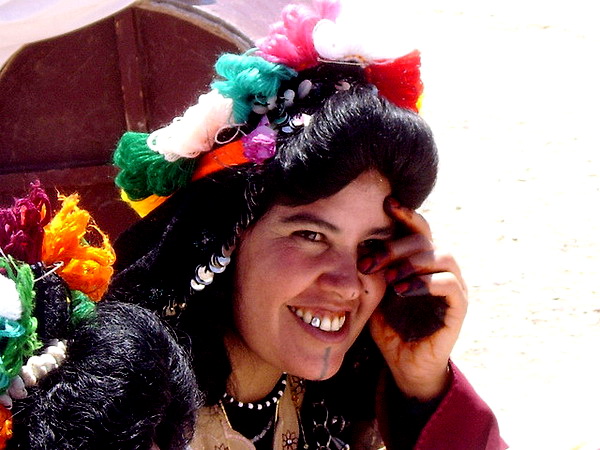
Amazigh communities preserve their heritage through strong family ties, craftsmanship, music, and storytelling. Despite political and cultural pressure across history, Amazigh people continue to practice their traditions and shape Morocco’s cultural identity. Their influence appears in architecture, clothing, language, and everyday life across the country.
Political Representation and Recognition
In recent decades, Amazigh activists have strengthened political visibility and cultural rights. The 2011 Moroccan constitution officially recognized Amazigh (Tamazight) as a national language. This milestone marked a major achievement for Amazigh cultural advocacy.
Since then, institutions have expanded Amazigh language use in education, media, and public administration. Government initiatives now promote linguistic inclusion and cultural preservation across Morocco.
Amazigh Literature and Oral Tradition
Amazigh culture thrives on a rich oral tradition. Storytellers, poets, and musicians pass down legends, songs, and poetry that reflect community values and historical memory. These narratives preserve identity and strengthen social bonds.
In recent years, Amazigh writers and poets have revitalized literary expression by producing written works in the Amazigh language. Their writings explore themes of heritage, identity, resistance, and modern life while reinforcing cultural pride.
Conclusion
Amazigh art, architecture, political engagement, and literature continue to shape Morocco’s cultural landscape. Through creativity and resilience, the Amazigh people protect their heritage and influence modern Moroccan society. Their traditions remain living expressions of identity, artistry, and history.
Nomadic Traditions: Many Amazigh people still engage in a nomadic or semi-nomadic lifestyle, particularly in the Atlas Mountains. These communities have a rich tradition of subsistence farming and herding and continue to live in close connection with the land. The nomadic traditions of the Amazigh people are an important part of their cultural heritage and are increasingly recognized and valued.
Traditional Medicine: The Amazigh people have a long tradition of using natural remedies and traditional medical practices to treat various ailments. These practices are based on a deep knowledge of the properties of plants and other natural remedies and are passed down from generation to generation. Recent years have seen a resurgence of interest in traditional Amazigh medicine, and many people are turning to these practices as a way to preserve their cultural heritage and promote their health and well-being.
Overall, the Amazigh people possess a rich and diverse cultural heritage that forms an important part of Morocco’s cultural landscape. Despite political and cultural pressures, the Amazigh people have maintained their traditions and continue to play a significant role in Morocco’s cultural and political landscape.