Skip to content
Skip to content
Skip to content 


Amazigh History in Morocco
The Amazigh people are the indigenous inhabitants of North Africa. They have lived in Morocco for thousands of years. They developed their own languages, social systems, traditions, and cultural identity long before foreign influences reached the region.
Ancient Roots and Identity
Amazigh communities settled across Morocco, from the Rif Mountains to the Atlas ranges and the Sahara. They built strong tribal structures and adapted to diverse landscapes. Their identity remained closely tied to the land, agriculture, and seasonal movement.
Challenges Through History
Amazigh people faced many challenges over the centuries. During the Almoravid period, rulers imposed Islam, yet Amazigh communities preserved their language and customs. In the late 19th and early 20th centuries, French colonial authorities pressured Amazigh populations to adopt French culture and administration. Despite this pressure, Amazigh identity endured.
Cultural Revival and Recognition
During the 1980s and 1990s, Amazigh cultural awareness grew across Morocco. Activists promoted language rights and cultural recognition. In 2011, Morocco amended its constitution and recognized Amazigh as an official language. Schools, media, and public institutions now promote Amazigh language and culture.
Amazigh Language
The Amazigh language, also known as Berber, belongs to the Afro-Asiatic language family. Millions of people across Morocco speak Amazigh dialects. Today, schools teach Amazigh alongside Arabic, helping preserve linguistic heritage for future generations.
Festivals and Celebrations
Amazigh festivals celebrate identity and community life. Yennayer marks the Amazigh New Year. The Moussem of Imilchil celebrates traditional weddings in the Atlas Mountains. The Timitar Festival highlights Amazigh music and attracts artists and visitors from across Morocco and beyond.
Art and Architecture
Amazigh art reflects deep symbolism and heritage. Artisans weave colorful rugs and blankets with geometric patterns. Builders construct kasbahs using mud brick and clay. These fortified structures showcase Amazigh craftsmanship and adapt perfectly to the environment.
Music and Oral Literature
Amazigh culture thrives through oral traditions. Storytellers, poets, and musicians pass down history, values, and beliefs. Songs and poetry play a central role in community gatherings and celebrations. Modern writers now produce Amazigh literature that explores identity and history.
Nomadic Traditions
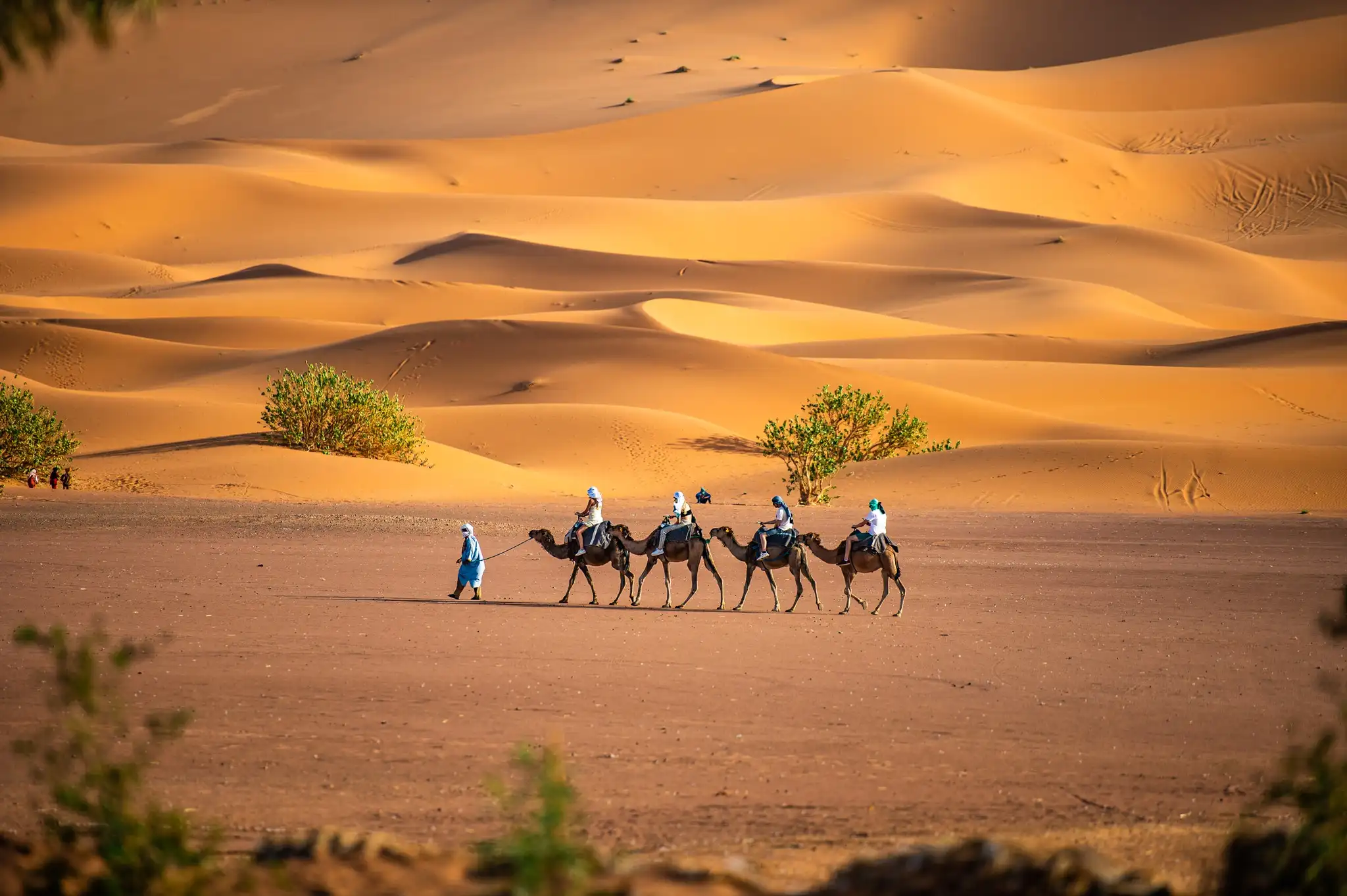
Many Amazigh communities continue nomadic or semi-nomadic lifestyles, especially in the Atlas Mountains. They herd animals, practice subsistence farming, and live in harmony with nature. These traditions remain central to Amazigh cultural heritage.
Traditional Medicine
Amazigh people rely on natural remedies and ancestral medical knowledge. Healers use plants, herbs, and minerals to treat illness. Families pass this knowledge from generation to generation, and many people now rediscover these practices as part of cultural preservation.
Political Representation
Amazigh activists continue to advocate for cultural and political rights. They promote Amazigh language use in public life and seek equal representation. These efforts strengthen cultural pride and national recognition.
Amazigh Influence Today
Amazigh culture continues to shape Morocco’s identity. Music, architecture, festivals, and traditions enrich daily life across the country. The Amazigh people remain a vital force in Morocco’s cultural, social, and historical landscape.