 Skip to content
Skip to content
Skip to content 


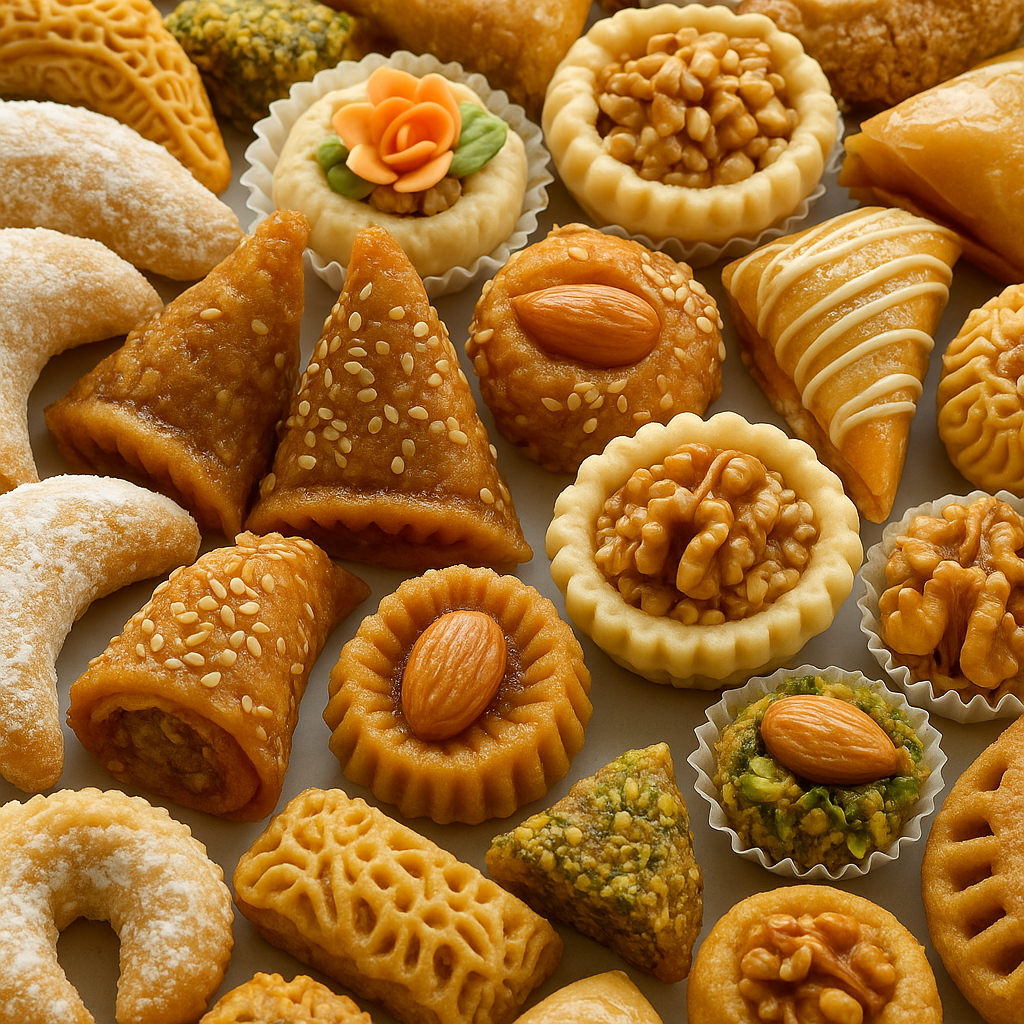
Moroccan pastry is a true culinary delight that has captured the hearts and taste buds of people all around the world. With its rich history and unique flavors, it stands out as a special treat that is both delicious and culturally significant. From its traditional recipes passed down through generations to the intricate presentation techniques, is a true testament to the country’s culinary expertise.
The history of Moroccan pastry dates back centuries, with influences from various cultures and civilizations. The country’s strategic location on the trade routes between Europe, Africa, and the Middle East has led to a fusion of flavors and ingredients that make truly one-of-a-kind. The use of spices like cinnamon, saffron, and cardamom adds depth and complexity to the pastries, creating a sensory experience. Whether it’s the delicate layers of filo pastry in baklava or the sweet almond paste filling of a ma’amoul cookie, each bite of tells a story of tradition and craftsmanship. Morocco tours 8 days
The History
You may be intrigued to learn about the rich and fascinating history behind Moroccan pastry. This delectable treat has a history that dates back centuries and reflects the diverse cultural influences that have shaped Morocco. Also known as “Patisserie Marocaine,”is a quintessential part of Moroccan cuisine and is enjoyed by locals and visitors alike.
The history of Moroccan pastry can be traced back to the Arab conquest of Morocco in the 7th century. The Arab influence brought with it a tradition of sweet pastries, flavored with almonds, honey, and fragrant spices such as cinnamon and orange blossom water. Over time, Moroccan pastry evolved and incorporated elements from other cultures, including the Berber, Jewish, and Andalusian communities. Each community contributed its own unique flavors and techniques, resulting in a diverse and vibrant pastry tradition.
Moroccan pastry is special because it is not just about the taste, but also about the artistry and craftsmanship involved in its creation. These pastries are meticulously crafted and often take hours to prepare. From delicate filo pastry layers to intricate designs, Moroccan pastry is a feast for the eyes as well as the taste buds. Whether it’s the famous almond-filled “Ghriba”or the delicate “Chebakia,”Moroccan pastry is a testament to the rich culinary heritage of Morocco.
Traditional
Indulge in the rich and intricate flavors of traditional Moroccan pastry recipes, where centuries-old techniques intertwine with a unique blend of spices and ingredients. Moroccan pastries are known for their delicate textures and sweet, aromatic fillings. One popular recipe is the Almond Briouat, which consists of a crispy, flaky pastry filled with a mixture of ground almonds, sugar, and orange blossom water. These bite-sized treats are often dusted with powdered sugar and cinnamon, adding a touch of warmth to each bite.
Another beloved Moroccan pastry is the Gazelle Horns, named for their crescent shape. These pastries are made from a dough infused with orange blossom water and filled with a sweet almond paste. Once baked to golden perfection, they are then dipped in a luscious mixture of honey and orange blossom water, creating a sticky and fragrant coating. The combination of the buttery pastry and the sweet almond filling makes for a truly indulgent treat.
Moroccan pastries are not only delicious but also a reflection of the country’s culture and heritage. The intricate designs and flavors are a testament to the craftsmanship and attention to detail that goes into each pastry. Whether enjoyed with a cup of mint tea or as a sweet ending to a meal, traditional Moroccan pastries are sure to transport your taste buds to the vibrant streets of Morocco. viajes a Marrakech
The Role of Spices
Immerse yourself in the tantalizing world of Moroccan pastries, where a symphony of aromatic spices dances on your palate. Spices play a key role in Moroccan pastry, adding depth and complexity to every bite. Warm and earthy cinnamon and ginger, fragrant saffron, and delicate hints of orange blossom water each bring unique flavors that enhance the overall taste experience.
Cinnamon features prominently in Moroccan pastries like chebakia and kaab el ghazal, often paired with nutmeg and ginger to create a harmonious blend of taste and aroma. Saffron, known as the “red gold” of spices, adds a floral note and vibrant color to treats like gazelle horns and briouats. Beyond flavor, spices like ginger aid digestion, while cinnamon and saffron provide antioxidant benefits. Moroccan pastries deliver not only delightful flavors but also a nourishing indulgence. As you savor each bite, let these spices transport you to the vibrant streets of Morocco.
Presentation and Techniques
Moroccan pastries captivate both the eyes and the taste buds through meticulous presentation and masterful techniques. Chefs carefully shape and decorate each pastry, creating intricate floral designs or delicate filigree patterns. The artistry showcases skill, creativity, and attention to detail.
Filo pastry folding represents one of the key techniques. Chefs layer and fold this thin dough to form diverse shapes and textures, from the iconic spiral of b’stilla to the delicate layers of pastilla. Chefs also use edible decorations such as nuts, dried fruits, and flowers. Pistachios, almonds, dates, and figs add color, texture, and flavor, elevating the pastries to luxurious works of art.
Every Moroccan pastry reflects careful craftsmanship. From folding filo to adding edible embellishments, each detail contributes to a visually stunning dessert. When you enjoy Moroccan pastries, take a moment to appreciate the artistry behind them.
Influences and Global Popularity
Moroccan pastries enjoy global popularity thanks to their exquisite taste and visual appeal. Various culinary traditions influence these treats, including Arab, Berber, and French cuisines, creating a fusion of flavors that delights food lovers worldwide.
Arab influence appears in ingredients like almonds, pistachios, and dates, and in the delicate balance of sweet and savory flavors achieved with cinnamon and saffron. Intricate designs reflect Arab decorative traditions. Berber influence shows through local ingredients such as honey, sesame seeds, and argan oil, highlighting freshness and simplicity. French colonial rule introduced techniques like puff pastry and choux, seen in Moroccan mille-feuille and éclairs.
Each influence contributes to the rich and flavorful world of Moroccan pastries. Arab, Berber, and French traditions blend to create a unique culinary experience. Savoring a Moroccan pastry offers a taste of this global journey.
Frequently Asked Questions
Which shops should I visit?
Visit Pâtisserie Bennis Habous, Pâtisserie Al Jawda, or Pâtisserie Amandine for a wide variety of traditional Moroccan pastries.
Do Moroccan pastries offer health benefits?
Delight the taste buds and showcase cultural traditions, but they do not provide specific health benefits.
How do Moroccans eat pastries daily?
Moroccans enjoy pastries as snacks or desserts, often with mint tea, filled with almonds, honey, or cheese.
When do Moroccans serve pastries?
Pastries feature during weddings, Eid, family gatherings, and other celebrations, adding a sweet touch to special occasions.
What misconceptions exist about?
People often think Moroccan pastries taste overly sweet or heavy. In reality, they balance flavors and textures delicately.
Conclusion
Hold a special place in the culinary world through rich history, unique flavors, and exquisite presentation. Chefs showcase intricate techniques and traditional spices that distinguish these pastries from others. From the flaky layers of pastilla to the sweet, nutty chebakia and delicate rosewater-infused gazelle horns, Moroccan pastries delight the senses.
Moroccan pastries also enjoy worldwide popularity. Chefs and home cooks incorporate Moroccan flavors and techniques into their creations, sharing these culinary treasures across the globe. Enjoy them as desserts, snacks, or special treats, and appreciate their unique combination of flavor, texture, and cultural significance.
Moroccan pastries exemplify Morocco’s rich culinary heritage. They reflect diverse flavors, skillful craftsmanship, and timeless traditions. Whether you taste them in Morocco or create them at home, these pastries leave a lasting impression and a craving for more.



Where can I study Moroccan pastry , short course only . I live in France .